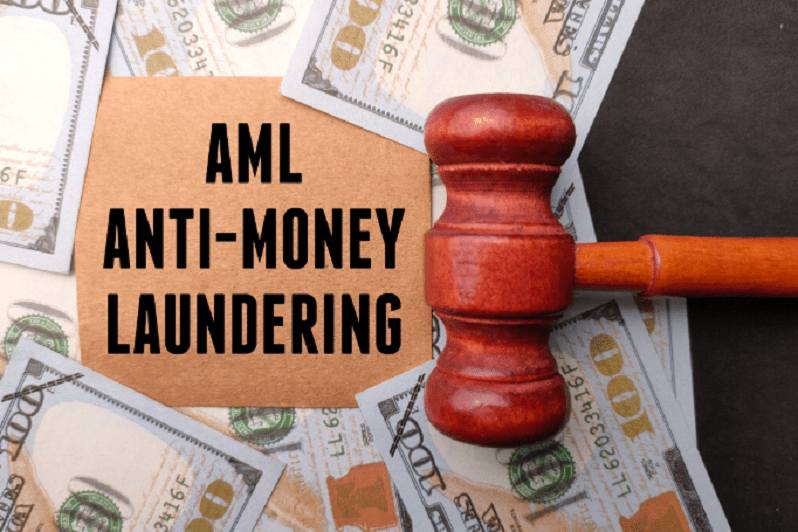
In today’s complex financial landscape, insurance companies are no longer just risk managers; they’re frontline defenders against financial crime. One of the most pressing threats? Money laundering. While often associated with banks, the insurance sector is increasingly vulnerable to illicit financial flows. That’s why robust Anti-Money Laundering (AML) practices are not just regulatory requirements; they’re ethical imperatives.
What Is Money Laundering?
Money laundering is the process of disguising the origins of illegally obtained money, so it appears legitimate. Criminals use insurance products—especially those with investment components like life insurance or annuities—to clean dirty money and integrate it into the financial system.
Why Insurance Companies Are Targets
Insurance products can be attractive to money launderers because:
- They often involve large sums of money.
- Some policies allow early withdrawals or cash surrender.
- Premium payments can be made in lump sums.
- Beneficiaries can be changed, obscuring the money trail.
- Without proper controls, these features can be exploited to move illicit funds undetected.
AML Compliance: More Than a Checkbox
AML regulations require insurance companies to:
- Know Your Customer (KYC): Verify identities and understand the nature of the customer’s business.
- Monitor Transactions: Flag suspicious activity such as unusually large premium payments or early policy cancellations.
- Report Suspicious Activity: File Suspicious Activity Reports (SARs) with regulatory authorities.
- Train Staff: Ensure employees understand red flags and know how to respond.
- But compliance isn’t just about ticking boxes; it’s about building a culture of integrity.
Real-World Red Flags
Here are a few examples of suspicious behavior that might indicate money laundering:
- A customer insists on paying large premiums in cash.
- Frequent changes to beneficiaries without clear rationale.
- Early policy cancellations followed by requests for refunds.
- Reluctance to provide identification or business details.
How Technology Helps
Modern AML programs leverage AI and data analytics to:
- Detect patterns across customer behavior.
- Automate risk scoring and transaction monitoring.
- Reduce false positives and improve investigation efficiency.
- By integrating smart tools, insurers can stay ahead of increasingly sophisticated financial criminals.
The Bigger Picture
- Money laundering fuels organized crime, terrorism, and corruption. By enforcing AML protocols, insurance companies play a vital role in protecting the global financial system and promoting social justice.
Final Thoughts
- AML isn’t just a regulatory burden—it’s a moral responsibility. Insurance companies must remain vigilant, proactive, and committed to transparency. Because when we protect our systems, we protect our communities.
Your Protection Goes Beyond Insurance: How We Help Fight Financial Crime
- At [Insurance Company Name], protecting you isn’t just about policies and premiums—it’s about safeguarding your future from hidden threats. One of the most important ways we do that is by helping prevent money laundering, a global issue that affects everyone, even in the insurance world.
What Is Money Laundering—and Why Should You Care?
Money laundering is when criminals try to hide the origins of illegally obtained money by making it look legitimate. Believe it or not, some try to use insurance products—like life insurance or annuities—as part of their schemes.
That’s why we take Anti-Money Laundering (AML) seriously. It’s not just about following rules; it’s about protecting our customers and keeping the financial system clean.
How We Keep You Safe
Here’s how our AML efforts benefit you directly:
- Secure Transactions: We monitor unusual activities to make sure your money is safe.
- Identity Protection: We verify customer identities to prevent fraud and impersonation.
- Transparency: We follow strict reporting standards to ensure everything is above board.
- Trustworthy Service: Our team is trained to spot red flags and act quickly.
What We Watch For
We’re always on the lookout for suspicious behavior, such as:
- Large cash payments for policies
- Frequent changes to beneficiaries
- Early cancellations with refund requests
- Reluctance to provide identification
- If we spot anything unusual, we investigate discreetly and professionally—because your peace of mind matters.
Your Role in the Fight Against Financial Crime
You can help by:
- Providing accurate information when applying for a policy
- Asking questions if something doesn’t feel right
- Reporting any suspicious activity, that you notice
- Together, we can make a difference
Why It Matters
- Money laundering isn’t just a financial issue, it’s tied to serious crimes like terrorism, drug trafficking, and corruption. By staying vigilant, we help build a safer, more transparent world for everyone.
- At PACIFIC MAGELLAN INSURANCE SERVICES your trust is our most important asset. AML helps safeguard things behind the scenes, letting you focus on what’s important.
Social Media Post (Instagram, LinkedIn, Facebook)
- Visual Idea: Image of a shield overlaying a life insurance document, with the caption: “Security isn’t just about coverage—it’s about integrity.”
Conclusion:
We’re committed to protecting your insurance policy and your peace of mind. Our Anti-Money Laundering (AML) efforts help prevent fraud and ensure your insurance experience is secure, transparent, and trustworthy. Learn how we keep your future safe, every step of the way.